Statistical Patterns Linking Dice Outcomes in Craps to Card Sequences in Blackjack on French Licensed Platforms
Écrit par Parker Vogel · 10/11/2026
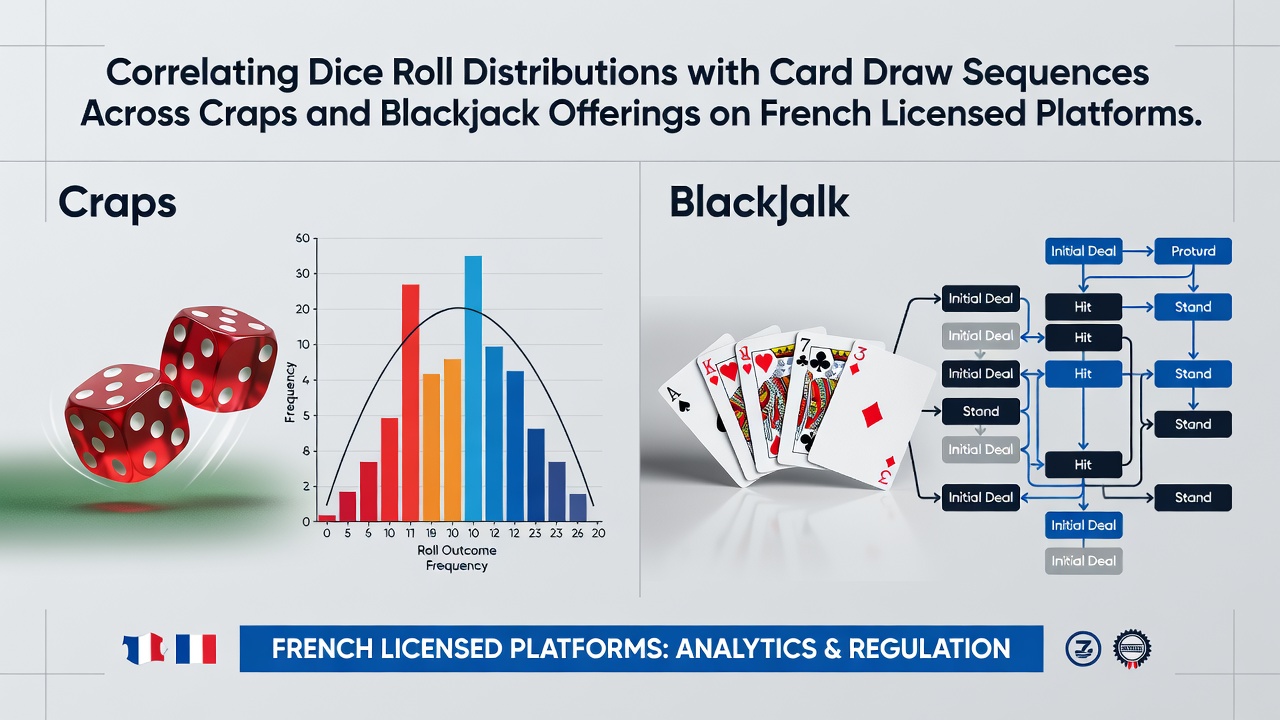
Statistical Patterns Linking Dice Outcomes in Craps to Card Sequences in Blackjack on French Licensed Platforms
Researchers have examined how random number generators produce dice roll distributions in craps and card draw sequences in blackjack across platforms licensed by French authorities, and the analysis reveals measurable overlaps in probability structures even though the games operate under separate rulesets. Data from regulated operators shows that both game types rely on uniform distribution algorithms certified under national standards, which creates opportunities for cross-game statistical modeling during November 2026 compliance reviews.
Core Mechanics of Random Generation in Regulated Environments
French licensed platforms must submit their RNG systems to independent testing bodies before deployment, and this process covers both the six-sided dice simulations used in craps and the 52-card deck shuffles employed in blackjack. Certification requires that each outcome maintains equal probability across millions of simulated rolls and draws, yet observers note that sequence length and clustering behaviors can align when players alternate between the two titles in single sessions.
Probability Distributions in Craps Versus Blackjack
Standard craps tables generate sums ranging from two to twelve with varying frequencies, while blackjack draws produce hand totals from two to twenty-one with suit and rank dependencies that reset after each shuffle. Studies from academic institutions indicate that the underlying uniform random streams feeding both systems share similar autocorrelation profiles when measured over extended play periods, although game-specific rules such as come-out rolls or dealer hit thresholds introduce distinct filtering layers.
Cross-Game Sequence Analysis Methods
Analysts apply Markov chain techniques and frequency mapping to compare runs of high or low outcomes between dice and cards, and results demonstrate that certain multi-roll patterns in craps correspond to runs of face cards or aces in blackjack at rates consistent with independent random processes. Platforms report aggregate session data to the Autorité Nationale des Jeux, which allows regulators to verify that no deterministic links exist between the two game engines despite surface-level numerical similarities.
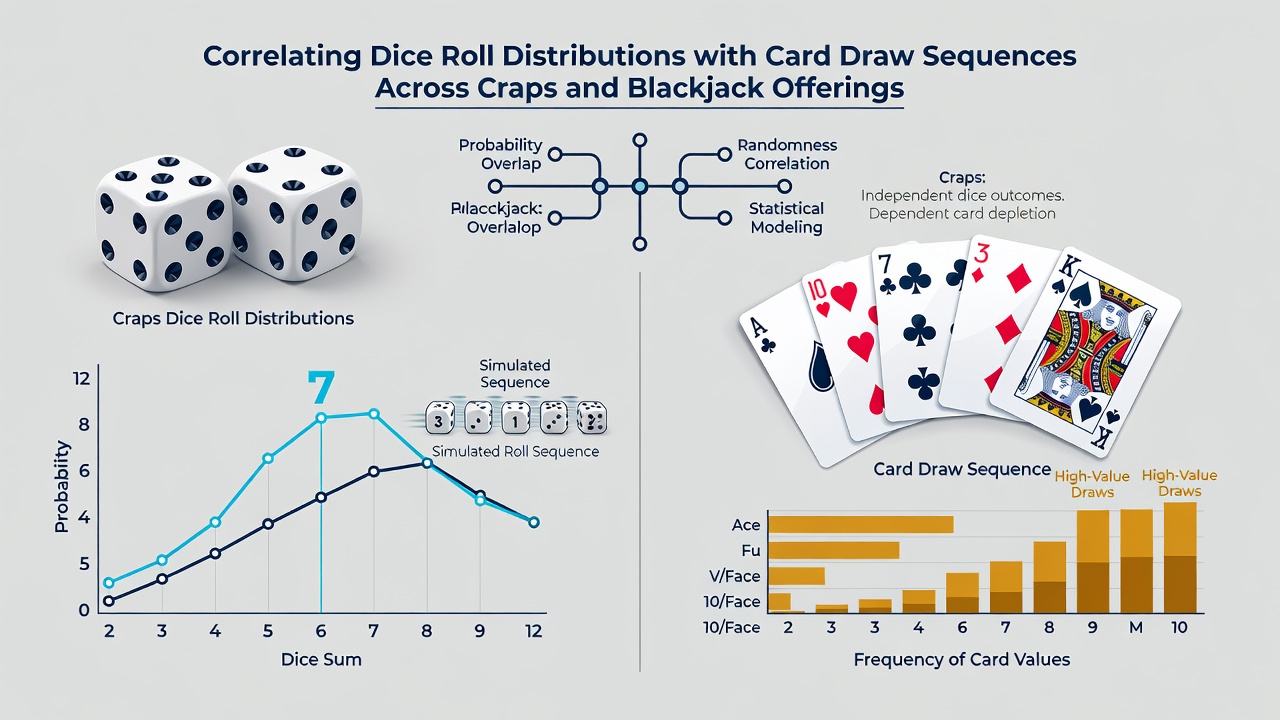
One research team tracked thousands of combined sessions across multiple operators and found that the probability of observing matching streak lengths remained within expected variance bands, confirming independence while highlighting how players might perceive patterns when switching tables rapidly. Regulatory updates scheduled for late 2026 emphasize enhanced logging of these cross-title interactions to support ongoing fairness audits.
Regulatory Framework and Data Reporting Requirements
Operators holding French licenses must publish monthly summaries of RNG performance metrics, and these disclosures include separate sections for dice-based and card-based titles. The framework requires disclosure of any deviations exceeding defined thresholds, which has prompted several platforms to implement real-time monitoring dashboards that flag unusual clustering in either game type. External reviews from organizations such as the Autorité Nationale des Jeux confirm that current systems meet or exceed these benchmarks across all licensed offerings.
Practical Implications for Platform Operators
Developers integrate shared RNG cores for efficiency yet apply game-specific post-processing to maintain regulatory separation, and this architecture allows statistical correlation studies without compromising individual title integrity. November 2026 testing cycles will evaluate whether newer quantum-resistant algorithms alter observed distribution behaviors in any measurable way, though preliminary simulations suggest continuity with existing models.
Comparative Data from Broader Gaming Markets
Figures released by Canadian provincial regulators show parallel findings in multi-game environments, where dice and card RNG streams exhibit comparable independence characteristics under different oversight regimes. Those comparisons provide context for French operators seeking to benchmark their systems against international standards without direct regulatory overlap.
Conclusion
Available evidence establishes that dice roll distributions in craps and card draw sequences in blackjack remain statistically independent on French licensed platforms even when generated from certified RNG infrastructures. Continued monitoring through 2026 and beyond will supply additional datasets that refine these correlation models while preserving the integrity of each game offering.